
Meghalaya or Sikkim: Which Trip Suits You Better
Meghalaya or Sikkim? A neutral side-by-side on altitude, permits, snow, road hours, seasons and budgets, so you can pick the right hill trip for your dates.
Shillong Trip Travel Desk · Updated · 10 min read
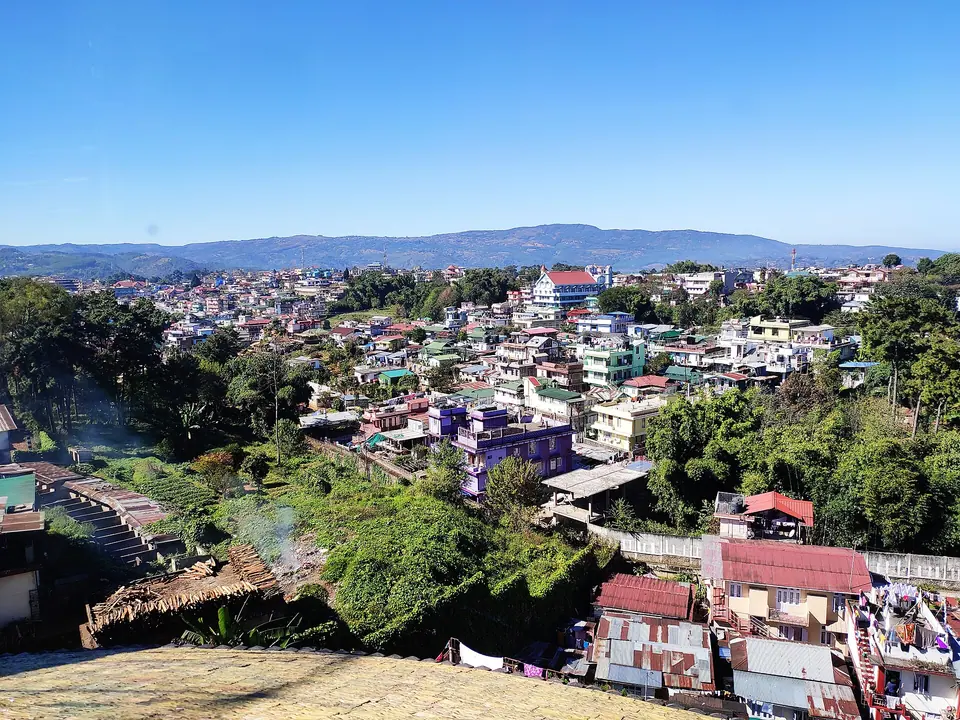 ANKAN · Commons · CC BY-SA 4.0
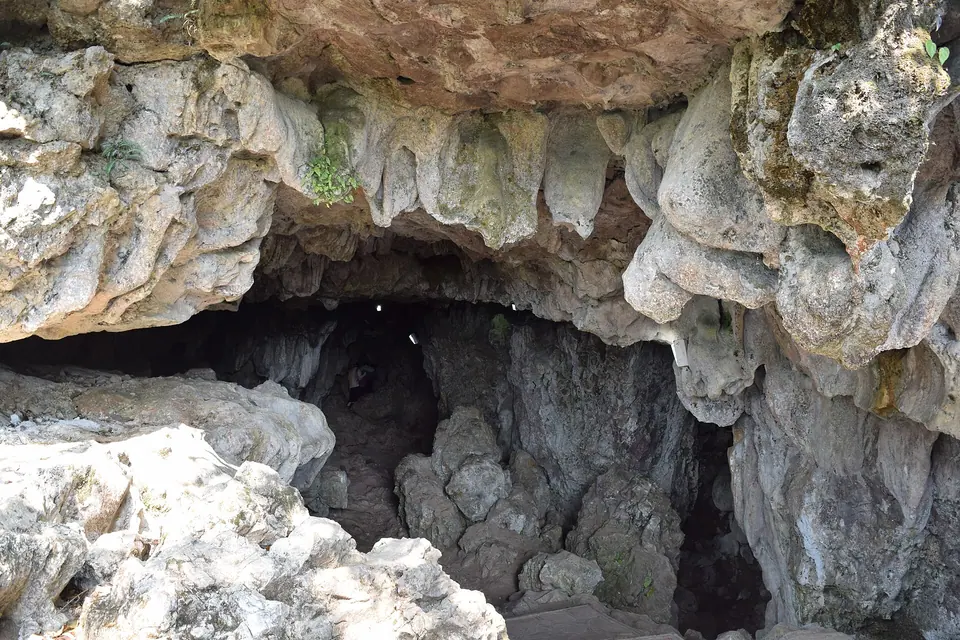
Choose Meghalaya for waterfalls, living root bridges, caves and clear rivers at a comfortable 1,000–1,900 m, with no permits and short drives from Guwahati. Choose Sikkim for Himalayan snow peaks, high lakes above 3,700 m and monasteries, accepting permits, longer mountain roads and altitude. For four or five days, Meghalaya is easier.
Key takeaways
- Meghalaya tops out near 1,965 m at Shillong Peak; Sikkim's popular day trips go above 3,700 m, so altitude is the biggest practical difference
- Indian travellers need no permit anywhere on a normal Meghalaya route; Sikkim's high areas such as Tsomgo Lake, Nathu La and North Sikkim need permits
- Meghalaya has no snow; for snow in the Northeast, Sela Pass and Tawang in Arunachal are the closer alternative to Sikkim
- October to April is the easy window for Meghalaya; Sikkim's clearest mountain views are usually October to December and March to May
- Meghalaya drives from Guwahati are 3 to 4 hours per leg; Sikkim trips from Bagdogra or NJP start with 4 to 5 hours of mountain road
- Four to five days is enough for a well-paced Meghalaya trip; Sikkim with a northern loop needs six to eight
On this page 15 sections
- Side by side at a glance
- What the landscapes feel like
- Culture, food and the feel of the towns
- Crowds and pace
- Roads and safety
- For foreign passport holders
- Altitude, and who it suits
- Permits and paperwork
- Getting there and time on the road
- Season by season
- Honeymoons, families and trekkers
- What a trip costs
- If snow is the whole point
- Can you do both states in one trip
- How we'd plan it
- FAQs
We get this question most weeks, usually from someone holding five days of leave and two browser tabs open. The honest answer depends on three things: whether you want snow, how your group handles altitude, and how many hours you will sit in a car.
Both states are in the Northeast, both have fine hill towns and both reward a slow pace. They are very different trips, though, and picking the wrong one for your group is the most common planning mistake we see.
Side by side at a glance
| Factor | Meghalaya | Sikkim |
|---|---|---|
| Main entry point | Guwahati airport or station | Bagdogra airport or New Jalpaiguri (NJP) station |
| First drive | About 3 hours to Shillong | About 4 to 5 hours to Gangtok |
| Typical altitude | 1,000 to 1,965 m | 1,650 m (Gangtok) to above 3,700 m on day trips |
| Snow | None | Yes, at high lakes and passes in winter |
| Permits for Indians | None on the usual circuit | Needed for Tsomgo Lake, Nathu La, North Sikkim |
| Signature sights | Waterfalls, root bridges, caves, canyons, clear rivers | Snow peaks, glacial lakes, monasteries |
| Comfortable trip length | 4 to 6 nights | 5 to 8 nights |
| Easiest months | October to April | October to December, March to May |
If you read nothing else, read the altitude and permit rows. They decide more trips than the scenery does.
What the landscapes feel like
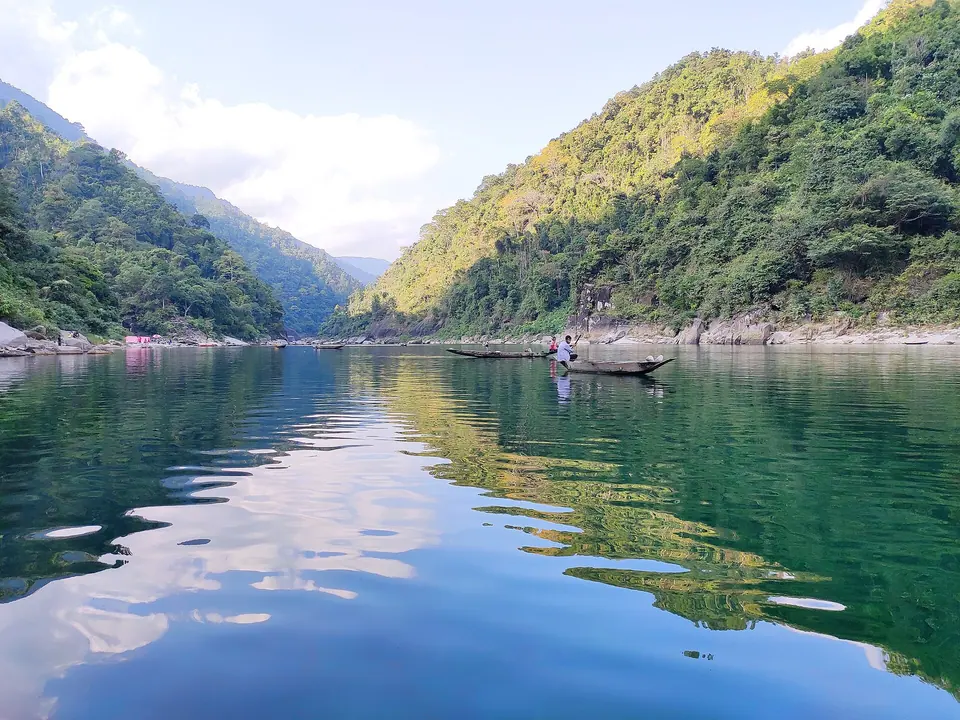
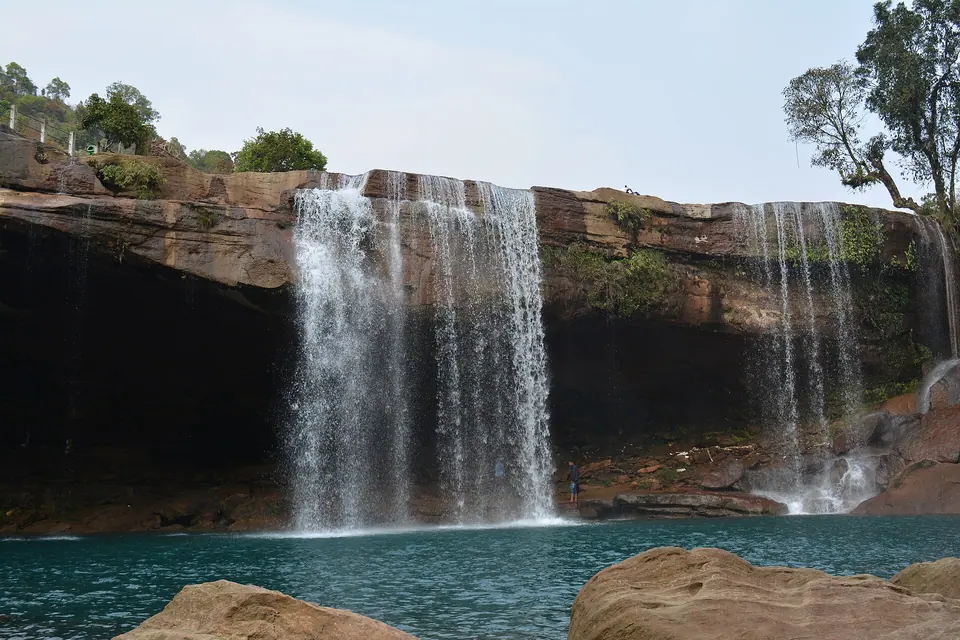
Meghalaya is a plateau cut by gorges. The drama is vertical and wet: Nohkalikai and dozens of other falls pour off cliffs around Sohra, grass ridges drop into the Laitlum canyons, and in the south the Umngot river at Dawki runs so clear in winter that boats seem to hover. The trees do the engineering at Nongriat, where Khasi villagers have trained fig roots into bridges.
Sikkim is a Himalayan state. The pull is the skyline: Kanchenjunga at 8,586 m seen from Pelling, frozen lakes at Tsomgo, yak pastures and rhododendron forests in the north. Monasteries such as Rumtek and Pemayangtse set the cultural tone.
Put simply, Meghalaya is about water, rock and forest at eye level. Sikkim is about looking up at ice.
Culture, food and the feel of the towns
The two states feel different on the ground, not just in the photos.
Meghalaya is home mainly to the Khasi, Jaintia and Garo peoples, with a matrilineal tradition in which family names and property pass through the mother's line. Most of the state is Christian, so Sunday mornings are quiet and churches are among the landmarks. Villages own and manage many of the sights you will visit, which is why you pay entry at a village gate rather than a government counter. Food leans on pork, rice and fermented flavours: jadoh (rice cooked with meat), dohneiiong (pork in black sesame) and tungrymbai (fermented soybean). Vegetarians eat well in Shillong's Police Bazar area but should carry snacks on village days.
Sikkim has a Nepali-speaking majority alongside Bhutia and Lepcha communities, and Buddhism shapes the calendar and the skyline. Prayer flags, chortens and monastery festivals are part of daily life. Momos, thukpa and churpi (hard yak cheese) are everywhere, and Gangtok's MG Marg is a pedestrian mall with a very different energy from Shillong's busy market lanes.
Neither is better. If you enjoy church bells, Khasi markets and village-run trails, Meghalaya will feel new. If monasteries and Tibetan-influenced food are what you picture when you think of the hills, Sikkim delivers that.
Crowds and pace
Both states get busy in the same windows: Durga Puja in October, Christmas to New Year, and the school summer break in May and June. In Meghalaya the pressure points are the Dawki boat queue, the Mawlynnong parking lot and the road to Sohra on weekends; leaving Shillong by 7 am avoids most of it. In Sikkim the bottlenecks are permit processing, the Tsomgo Lake road and shared jeep availability for the north.
Pace is where Meghalaya quietly wins for short trips. Because the sights cluster within 60 to 100 km of Shillong, you can pause for an hour at a viewpoint without wrecking the day. On Sikkim's high-altitude days, the permit window and weather often set a hard turnaround time.
Roads and safety
Meghalaya's main highway from Guwahati to Shillong is a wide four-lane road for most of its length, and the plateau roads beyond are narrow but generally well kept. Fog in the Sohra area can cut visibility to a few metres, especially from June to September, so we avoid driving there after dark. Sikkim's lifeline highway follows the Teesta valley and has repeatedly been cut by landslides and floods in recent monsoons, with parts of North Sikkim closed for long stretches after the October 2023 flood. In both states, check current status before you travel and keep one buffer day in any monsoon itinerary.
For foreign passport holders
Foreign nationals can visit Meghalaya's usual circuit without a Restricted or Protected Area Permit, which makes it one of the simpler Northeast states to add to an India trip. Sikkim requires a Restricted Area Permit for foreigners, usually issued at entry points or online, and several high areas remain restricted or need group travel. Rules shift, so confirm before booking.
Altitude, and who it suits
This is where the choice gets practical.
In Meghalaya, Shillong sits at about 1,525 m and Shillong Peak at about 1,965 m. Nothing on a standard route goes higher. Children, seniors and anyone with a heart or lung condition generally cope without special planning.
In Sikkim, Gangtok is comfortable at around 1,650 m, but the day trip most first-timers want, to Tsomgo Lake, climbs past 3,700 m, and Nathu La is above 4,300 m. North Sikkim goes higher still. Many visitors manage fine; some get headaches, nausea or breathlessness, and a few have to turn back.
Our rule of thumb: if anyone in your group is over 70, under 5, or has been told to avoid altitude, Meghalaya is the lower-risk pick. Talk to a doctor before any trip above 3,000 m.
Permits and paperwork
Meghalaya is simple. There is no Inner Line Permit and no statewide entry fee, so Indian citizens need no permit for Shillong, Sohra, Dawki, Mawlynnong or the root bridges. Since June 2025, hotels and homestays must register every guest on the state tourism app, so carry photo ID. Village sights charge small gate fees, typically under ₹100 per person, plus parking, paid in cash. Self-drive rental cars are not allowed for tourists, so plan on a driver. Our Meghalaya travel rules guide covers local rules such as plastic bans and photography etiquette.
Sikkim needs more organising. Indian travellers need no permit for Gangtok or Pelling, but Tsomgo Lake, Nathu La and North Sikkim need permits, usually arranged by a registered local agent with ID photocopies and photos. Nathu La has been open only to Indian nationals. Foreign nationals need a Restricted Area Permit to enter Sikkim, and some areas stay closed to them.
Permit rules in both states change with security and weather advisories, so check current status before you travel.
Getting there and time on the road
| Leg | Meghalaya | Sikkim |
|---|---|---|
| Nearest major airport | Guwahati (GAU), well connected | Bagdogra (IXB), well connected |
| Airport to base town | About 100 to 120 km, 3 hours to Shillong | About 125 km, 4 to 5 hours to Gangtok |
| Nearest mainline railhead | Guwahati | New Jalpaiguri (NJP) |
| Longest usual day drive | Shillong to Dawki and back, about 5 hours total | Gangtok to Lachung, often 6 to 7 hours one way |
| Road character | Wide highway to Shillong, then winding plateau roads | Mountain highway along the Teesta, prone to slides |
Shillong has a small airport at Umroi with a few small-aircraft routes, including Kolkata and Delhi; schedules are thin and change often, and most visitors still fly into Guwahati, which opened a new terminal in December 2025. Sikkim's Pakyong airport has had irregular service. For both states, most travellers fly into the larger airport and drive. Our guide on how to reach Shillong has the full options.
The difference in daily road hours matters more than it looks on a map. A Meghalaya day is usually two to four hours of driving broken by stops. A Sikkim day to the high lakes or the north can mean an early start, a permit check and a long climb.
Season by season
| Months | Meghalaya | Sikkim |
|---|---|---|
| October to November | Clear skies, full falls, green hills; a top window | Clear mountain views; a top window |
| December to February | Cool, dry, crystal Umngot river; average lows of about 6 to 7°C in Shillong | Cold; snow at Tsomgo and high passes, some roads close |
| March to May | Warm days, first storms from April | Rhododendrons in bloom; good views early in the day |
| June to September | Heavy monsoon; falls at peak, some treks slippery | Monsoon landslides on highways; peaks mostly hidden |
Meghalaya's monsoon has a following of its own because the waterfalls are at their fullest, and Sohra and Mawsynram rank among the wettest places on earth. Our best time to visit Meghalaya guide breaks it down month by month.
Honeymoons, families and trekkers
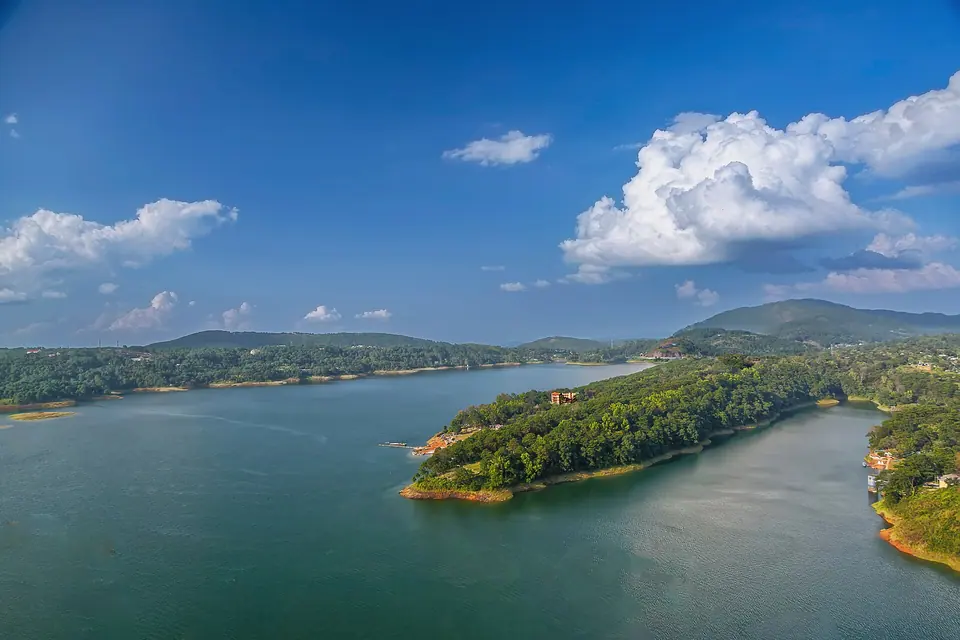
- Honeymooners who picture snow should look at Sikkim in winter, or at Arunachal (below). Those who want lake-view rooms, slow mornings and fewer 5 am starts often end up happier in Meghalaya. Our Meghalaya honeymoon package, from ₹22,500 per person, starts with a night by Umiam lake and is built around that pace.
- Families with young children or grandparents do well in Meghalaya: short drives, low altitude and sights like caves and waterfalls that children love. See the Meghalaya family holiday.
- Trekkers get the Nongriat descent in Meghalaya, roughly 3,000 steps down to the double decker bridge and back up. Sikkim has longer high-altitude treks that need more days and fitness.
- Photographers can make a case for both: Meghalaya for water and mist, Sikkim for peaks at sunrise.
What a trip costs
Costs are similar at the standard level. Rough indicative ranges we see for two people, per day, excluding flights:
| Tier | What it covers | Meghalaya, per day for two | Sikkim, per day for two |
|---|---|---|---|
| Budget | Clean guesthouse, shared or small cab | ₹4,500 to ₹7,000 | ₹5,000 to ₹8,000 |
| Standard | 3-star hotel, private cab, entries | ₹8,000 to ₹12,000 | ₹9,000 to ₹13,000 |
| Premium | Lake or valley-view resort, SUV | ₹15,000 and above | ₹16,000 and above |
Sikkim tends to run a little higher because permit-linked excursions often need a separate local vehicle. Both states spike over Christmas, New Year and Durga Puja. For a full breakdown, see our Meghalaya trip cost guide. All figures are indicative.
If snow is the whole point
Meghalaya will not give you snow. If snow is non-negotiable and you still want to fly into Guwahati, look at western Arunachal. Sela Pass sits at about 4,200 m on the road to Tawang and often holds snow from December to March. Since March 2024 the Sela Tunnel keeps the road open in winter, and the old pass road is still a sightseeing stop in fair weather. Our winter Tawang and Sela snow trip runs over six nights.
Many travellers pair the two: a few days of Meghalaya's falls followed by Arunachal's snow, all from one airport. The Meghalaya and Tawang itinerary does exactly that over ten nights. Tawang needs an Arunachal Inner Line Permit for Indian visitors, a tourist permit of about ₹300 to ₹500 applied for online; pay whatever the portal shows.
Can you do both states in one trip
You can, but it is a long trip. Guwahati to New Jalpaiguri is roughly 450 km by road, a full day. By rail the NJP to Guwahati Vande Bharat chair-car service takes about 5.5 hours; check the current timetable. Realistically, you need at least ten nights to see Shillong, Sohra, Gangtok and one Sikkim high excursion without rushing.
For most people with a week or less, we suggest choosing one.
How we'd plan it
Here is how we would advise three typical enquiries:
- Five days, family with a grandparent, travelling in November. Meghalaya, no question. A night in Shillong, a night in Sohra, a night in Mawlynnong village and an early boat on the Umngot at Dawki before heading back to Shillong. Our four-night Shillong, Cherrapunji, Dawki and Mawlynnong trip, from ₹16,500 per person, is the right shape.
- Couple, six nights, January, wants snow. Either Sikkim or Tawang. If flying into Guwahati is cheaper, we would steer to Tawang via Sela.
- Two friends, a week in March, fit, like walking. Meghalaya with the root bridge trek and a sunrise at the Laitlum canyons. The six-night complete Meghalaya route, from ₹23,500 per person, covers both plus Dawki and Krang Suri falls.
The pattern is consistent. Choose on altitude and snow first, then on season, then on scenery.
Tell us your dates and who is travelling on our contact page and we will suggest the better fit, even if it is not Meghalaya.