
Is Northeast India Safe? A State-by-State Answer
Is Northeast India safe in 2026? State-by-state status, the Manipur advisory, monsoon landslides, road and altitude risks, and tips for women and families.
Shillong Trip Travel Desk · Updated · 9 min read
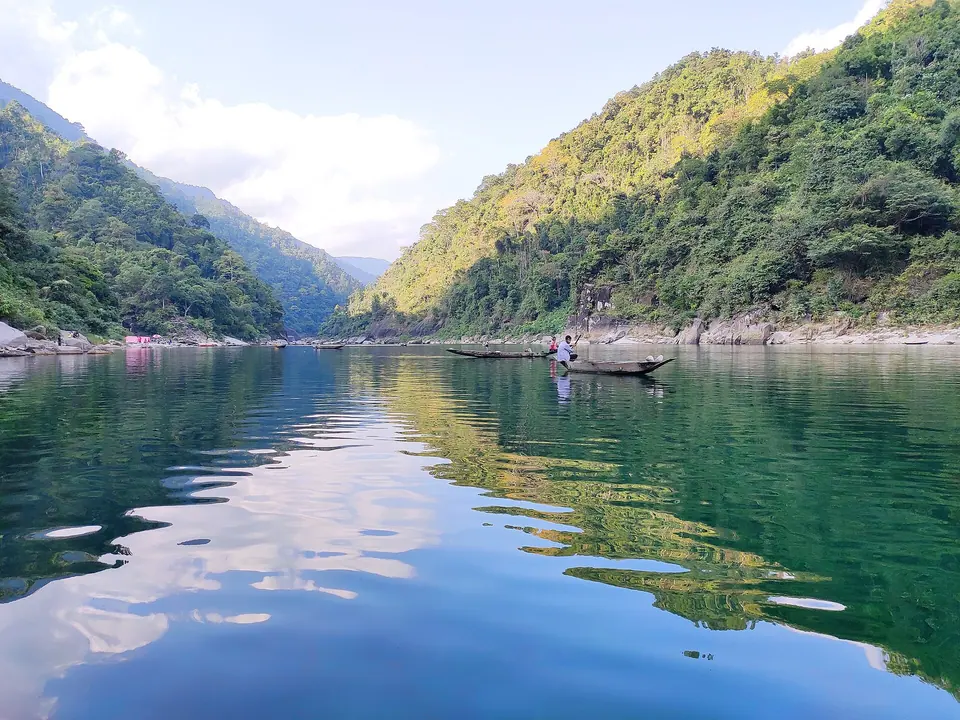
 ANKAN · Commons · CC BY-SA 4.0
Yes, most of Northeast India is safe for tourists. Meghalaya, Assam, Arunachal, Nagaland, Mizoram and Tripura see steady tourist traffic and crime against visitors is uncommon. Manipur is the exception: the UK advises against all but essential travel there. The bigger everyday risks are monsoon landslides, night driving and altitude on the Tawang route.
Key takeaways
- Meghalaya, Assam, Arunachal Pradesh, Nagaland, Mizoram and Tripura are generally calm for visitors in 2026
- The UK FCDO advises against all but essential travel to Manipur, including Imphal, as of its July 2026 update
- Landslides, fog and night driving cause more trouble for travellers than crime; June to September is the riskiest period on hill roads
- Tawang sits near 2,700 m and Sela Pass near 4,170 m; altitude needs an overnight stop at Dirang or Bomdila
- Arunachal, Nagaland, Mizoram and Manipur require permits; carry printed copies
- Local issues such as strikes, taxi disputes and road closures change week to week; check current status before you travel
On this page 13 sections
Every week someone asks us a version of the same question, usually after reading a headline about a state they are not even visiting. The Northeast is eight states, not one, and they are as different from each other as Kerala is from Punjab. So the honest answer is state by state, and for most travellers the bigger question is not crime but roads.
The short answer by state
This is how we read the situation for tourists as of late September 2026. It is a summary, not a substitute for official advisories.
| State | Tourist status | Main things to plan for | Permit for Indians |
|---|---|---|---|
| Meghalaya | Generally calm | Monsoon landslides, fog, cliff edges, occasional strikes | None |
| Assam | Generally calm | Floods from June to September, traffic, bandhs | None |
| Arunachal Pradesh | Generally calm | Altitude, snow at Sela, landslides, border rules | Inner Line Permit |
| Nagaland | Generally calm | Permits, occasional local strikes | Inner Line Permit |
| Mizoram | Generally calm | Permits, long road journeys | Inner Line Permit |
| Tripura | Generally calm | Occasional political or communal clashes, border area rules, heat | None |
| Manipur | Advisories in force | Ethnic violence since 2023; UK advises against all but essential travel | Inner Line Permit |
"Generally calm" does not mean nothing ever happens. It means tourists travel there in normal numbers and the incidents that do occur rarely involve visitors. Check current status before you travel.
What official advisories say
We read foreign government advisories because they are updated often and are written with caution in mind.
- UK FCDO, updated 9 July 2026, advises against all but essential travel to Manipur, including the capital Imphal. It carries no blanket warning for Assam, Meghalaya, Arunachal Pradesh, Nagaland, Mizoram or Tripura, but it notes border clashes along the Assam–Mizoram and Assam–Meghalaya boundaries, communal and political clashes in Tripura, and bandhs and blockades that can start without warning.
- US State Department rates India overall at Level 2 (exercise increased caution) and places Manipur at its strictest level.
- Indian government rules set the permit regime: Inner Line Permits for Indians in four states, and Protected Area Permits for foreign nationals in Arunachal and, since rules were reinstated in December 2024, in Manipur, Mizoram and Nagaland.
Advisories change. Read the current versions before you book, and again a week before you fly. Travel insurance may not cover areas where your government advises against travel.
Meghalaya
For most of our guests, Meghalaya is the whole trip, and it is a calm, easy state to travel. Shillong is a busy hill city with the usual crowds in Police Bazar and Iewduh market; keep phones and wallets zipped as you would in any Indian market.
The risks we plan for are physical:
- Landslides. On 21 June 2026, a section of the Shillong–Dawki road near Laitlyngkot collapsed after heavy rain; the road stayed shut until 10 August 2026, with diversions via Sohra–Sohbar or Jowai–Amlarem. In May 2025, landslides on the Shillong–Sohra road led the district to advise against travel to Sohra for a period.
- Cliff edges. Laitlum and many Sohra viewpoints have long, unfenced drops hidden by grass or fog.
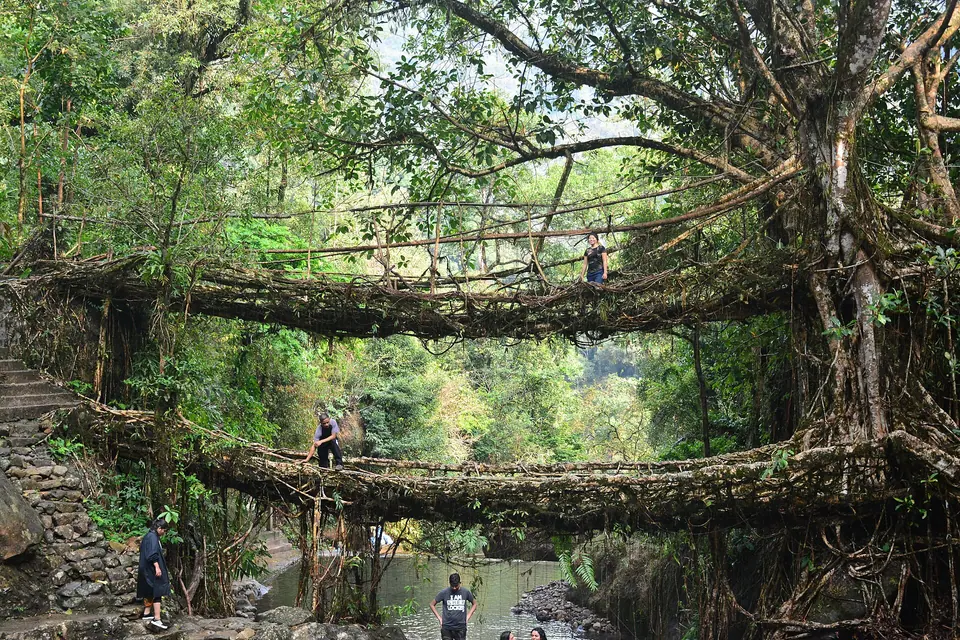
- Rivers. Pools at root bridges, Krang Suri and the Umngot turn dangerous after rain. Swim only where locals and guides say it is safe.
- New visitor rules. Since June 2025, every hotel, homestay and resort in Meghalaya must register guests on the state tourism app, and renting private cars to tourists for self-drive is prohibited. Carry photo ID and book a car with a driver.
- Local disputes. In August 2026, tension between Meghalaya and Assam over Assam-registered tourist taxis led to protests, a short fuel-supply squeeze in Shillong and many cancelled bookings. Taxi associations paused their agitation, and on 8 September 2026 the two state governments set up a joint panel to handle grievances. Ask your operator how your vehicle is arranged.
Our Meghalaya in the monsoon guide covers the wet-season precautions in detail.
Assam
Guwahati is the gateway to the whole region and behaves like any large Indian city: heavy traffic, crowded markets and good hospitals. The insurgency of earlier decades has largely faded, and tourist travel to Kaziranga, Majuli and the tea country is routine.
What to plan for:
- Floods. From June to September the Brahmaputra and its tributaries flood large areas. Kaziranga normally closes its safari zones in this period.
- Bandhs. Strikes called by political or student groups can shut shops and roads for a day. They are usually announced in advance; your hotel or driver will know.
- Wildlife. Stay in the jeep on safaris, and follow guides around elephants and rhinos.
Arunachal Pradesh
Arunachal is permit-controlled and has a strong army presence along the Tawang route. For travellers, that tends to mean orderly checkposts and polite questions rather than any sense of danger.
The real risks are natural:
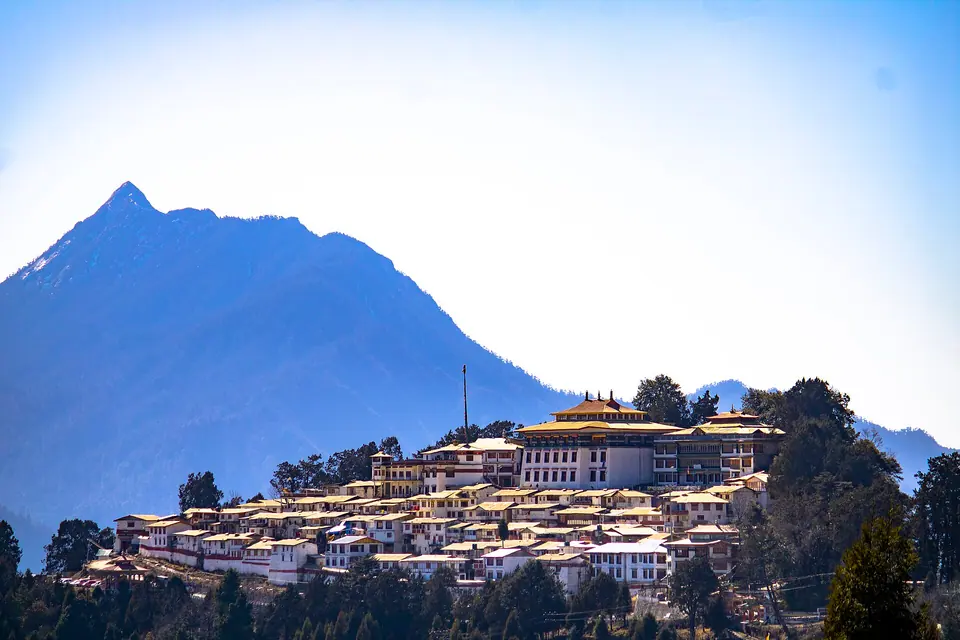
- Altitude. Tawang is near 2,700 metres and Sela Pass near 4,170 metres. Sleep a night at Dirang or Bomdila on the way up.
- Weather. Snow and ice at Sela from December to March; landslides between Bhalukpong and Bomdila in the monsoon. The Sela tunnel, opened in 2024, has made the crossing more reliable but not weather-proof.
- Border rules. Bum La needs a separate permit and is open to Indian citizens only. Photography of military sites is prohibited.
- Eastern districts. Parts of Tirap, Changlang and Longding remain under special security laws; most tourist routes do not go there. Check current status before you travel.
Carry your Inner Line Permit printout; our Arunachal ILP guide explains the process.
Nagaland, Mizoram and Tripura
Nagaland is calm for visitors and welcomes large crowds each December at the Hornbill Festival near Kohima. Indians need an ILP. Strikes occasionally shut roads for a day. Our Hornbill Festival guide covers the festival weeks.
Mizoram is often described by travellers as one of the most orderly states in India, with low crime and a strong civic culture. Like Nagaland, it is a dry state. Aizawl is a long drive or a short flight from Guwahati or Kolkata. Indians need an ILP.
Tripura is permit-free and generally calm for visitors, with Agartala a short flight from Guwahati and Kolkata. The UK FCDO notes occasional communal and political clashes and skirmishes along the India–Bangladesh border, so check current advisories. Heat and humidity are the main discomforts from April to September.
Manipur
Manipur has been affected by ethnic conflict between communities since May 2023. The violence has killed many people and displaced tens of thousands, and incidents have continued intermittently into 2026, including in and around the hill districts. President's Rule, imposed in February 2025, ended in February 2026 when a new Chief Minister took office, and fresh tension between Kuki and Naga groups was reported from early 2026. The state is promoting tourism again, including around Loktak Lake, but conditions vary by district and can change quickly.
Our position is simple. We do not currently promote Manipur as part of standard itineraries. If you have a strong reason to go to Imphal or Loktak, read your government's latest advice, check whether your travel insurance is valid, get an ILP, and speak to a Manipur-based operator who can advise on specific roads and days.
Risks that matter more than crime
Across the region, these are the issues we actually deal with when guests are on the road.
| Risk | Where | When | What to do |
|---|---|---|---|
| Landslides | Meghalaya, Arunachal, hill roads everywhere | June–September, and after any heavy rain | Drive in daylight, keep a buffer day, follow closures |
| Fog | Sohra plateau, Sela, Bomdila | Afternoons, monsoon and winter | Leave early, reach by 3–4 pm |
| Altitude sickness | Sela Pass, Tawang, Bum La | All year, worst in winter | Night at Dirang, water, go slow, descend if unwell |
| Floods | Assam plains, Majuli | June–September | Avoid river islands, check park status |
| Road accidents | Everywhere | Night driving, rushing drivers | Use experienced drivers, refuse night drives on hills |
| Strikes and disputes | Any state | Unpredictable, usually announced | Ask your hotel, keep a flexible day |
| Online booking scams | Helicopter tickets, "official" permits | Year-round | Book only on official portals or with known operators |
Fake helicopter and permit booking websites are a recurring problem. Helicopter services to Shillong and Tawang run only intermittently and are subject to operation, so treat any site selling guaranteed seats with suspicion and check current status with the operator. Arunachal permits are issued through the state's official e-ILP portal, and Nagaland, Mizoram and Manipur have their own official ILP sites. Our guide to booking a Northeast tour safely lists the checks we suggest.
Being a good guest keeps trips smooth
A lot of what visitors experience as a safety problem in the Northeast is really a misunderstanding. Much of the land in Meghalaya, Nagaland and parts of Arunachal is owned by clans, villages or communities rather than the state, and villagers manage many viewpoints, root bridges and waterfalls themselves.
That has practical consequences:
- Entry and parking fees at community-run sites are normal and usually small. Pay them and keep the ticket.
- Village rules apply. Some villages ban plastic, alcohol, loud music or swimming in certain pools. Signs are often in Khasi or English; ask if unsure.
- Photography of people needs permission, especially elders, children and anyone at a church or ceremony.
- Sacred forests such as Mawphlang have strict rules: nothing leaves the forest, not even a leaf.
- Sunday is a day of rest and worship across much of Meghalaya, Nagaland and Mizoram. Expect closed shops and quieter roads.
Most friction we hear about starts with a tourist ignoring a village rule or a parking attendant. Stay polite, pay the posted fee and move on.
Handling a bandh or a sudden closure
A bandh is a general strike, usually called by a political, student or community group, and it can close shops, taxis and fuel pumps for 6 to 36 hours. They are less frequent than a decade ago but still happen, and a road can also shut without warning for a landslide or a protest.
If one hits your trip:
- Stay where you are. Hotels are used to it and will feed you.
- Do not try to drive through a blocked road or a protest.
- Ask your hotel or driver for the expected end time; it is usually known.
- Move your flights if needed rather than rushing a long drive the same evening.
This is why we always keep a spare half-day in any itinerary longer than five nights, and why we avoid scheduling the airport drive on the last possible morning.
Women and solo travellers
Women play a visible role in public life across much of the Northeast; in Khasi and Jaintia families in Meghalaya, lineage and inheritance pass through the mother. Many solo women travel the region comfortably. Usual precautions help:
- Arrive in a new town before dark, and book the first night in advance.
- Use registered taxis or hotel-arranged cars; share live location with someone at home.
- Dress modestly at temples, monasteries and in villages.
- Avoid isolated viewpoints and river banks at dusk.
- Drink with people you know; local rice beer is stronger than it tastes.
Health and emergencies
- Emergency number: 112 across all Northeast states.
- Hospitals: Guwahati and Shillong have large hospitals, including NEIGRIHMS in Shillong. Tawang has a district hospital. Villages have primary health centres only.
- Water: drink bottled or filtered water; many hotels provide it.
- Insurance: buy a policy that covers road evacuation and, for Tawang, altitudes up to at least 4,500 metres.
How we'd plan it
If safety is your main concern, start with the most travelled circuit and build out from there.
- First trip, lowest risk: Meghalaya only, October to April. Our four-night Shillong, Cherrapunji, Dawki and Mawlynnong route keeps drives short and in daylight.
- Meghalaya plus wildlife: the Northeast in a Week route with Kaziranga adds Assam's grasslands with no permits needed.
- Mountains: the six-night Tawang trip via Dirang and Sela builds in the altitude stop and avoids night drives.
- Culture beyond the usual: the Kohima and Khonoma village trip is a calm introduction to Nagaland.
- Foreign nationals: our Northeast trip for international travellers is routed to keep permit steps simple, and our guide for foreign travellers explains the paperwork.
Planning around a specific worry or a recent headline? Ask our travel desk and we will tell you what we are seeing on the ground this week.