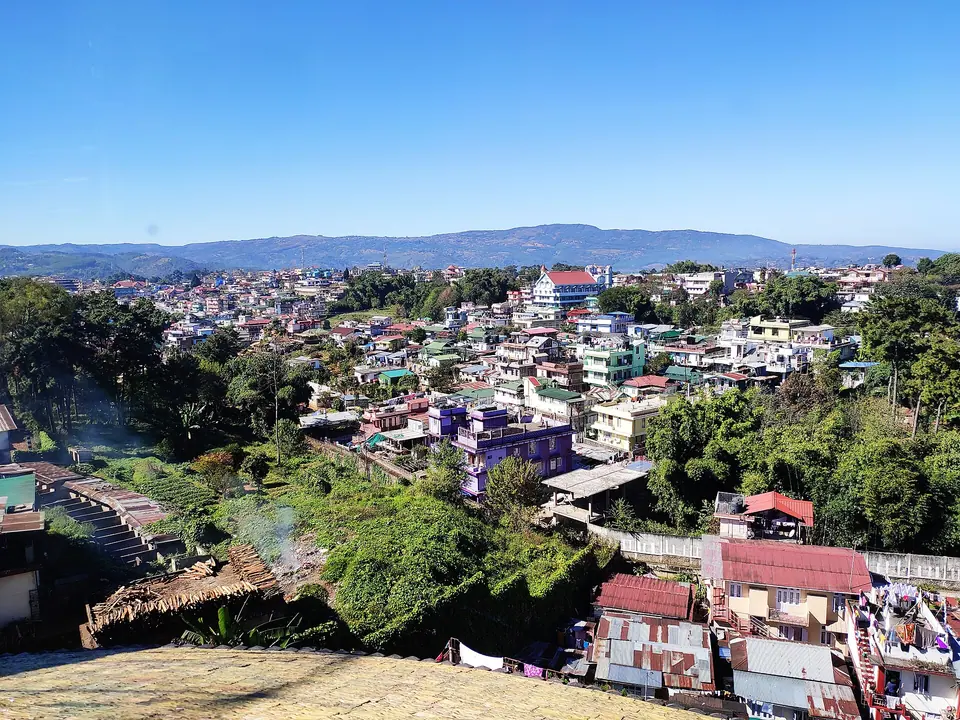

Hornbill Festival 2026: Dates, Permits, Tickets and Stays
Hornbill Festival 2026 runs 1–10 December at Kisama, 12 km from Kohima. Nagaland ILP, foreigner PAP rules, tickets, where to stay and a day-by-day plan.
Shillong Trip Travel Desk · Updated · 9 min read
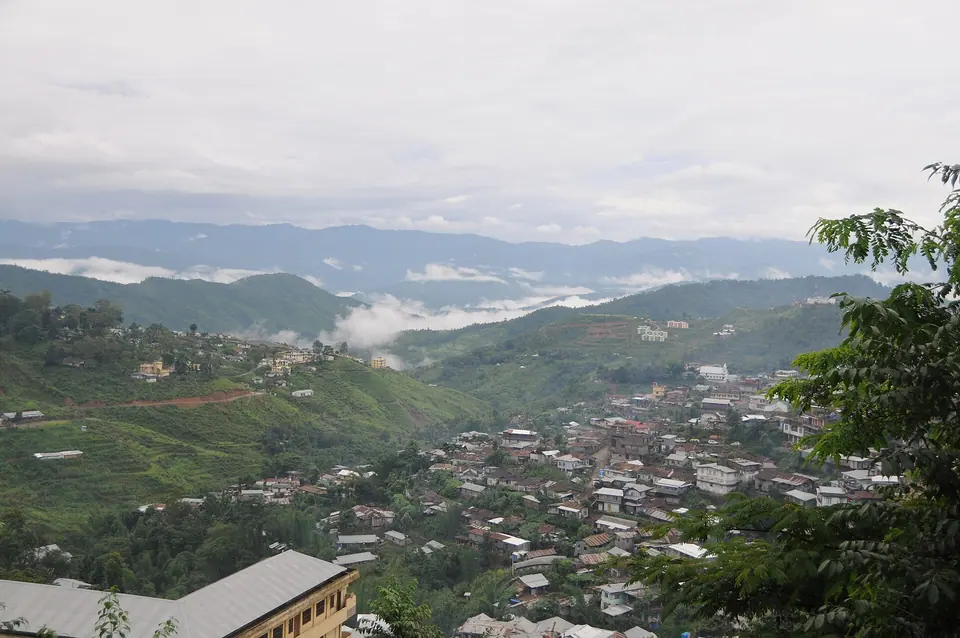 Sharada Prasad CS · Commons · CC BY 2.0
The Hornbill Festival runs every year from 1 to 10 December at Kisama Heritage Village, about 12 km from Kohima in Nagaland. Indians need a Nagaland ILP (₹200 for 30 days, online). Foreigners need a Protected Area Permit as well. Fly or take the train to Dimapur, then drive about three hours to Kohima.
Key takeaways
- Dates are fixed: 1–10 December every year at Kisama Heritage Village, 12 km south of Kohima; 2026 is the 27th edition.
- Indian visitors need a Nagaland Inner Line Permit, applied for online at ₹200 for 30 days; approval usually takes a few working hours.
- Foreigners have needed a Protected Area Permit for Nagaland again since 17 December 2024; the Centre relaxed it for the 2025 festival, so check current status for 2026.
- Day entry to Kisama has been low, reported at ₹20–₹100 in 2025 depending on zone and camera; evening concerts can be priced separately.
- Kohima rooms sell out months ahead; book stays by August for the first weekend of December.
- Pair the festival with Khonoma village, the Kohima War Cemetery or a Dzukou Valley trek for a five- to six-night trip.
On this page 13 sections
- Hornbill Festival 2026 at a glance
- What happens at Kisama
- Which days to go
- Photography and filming
- Travelling with children or older parents
- Permits: Nagaland ILP and foreigner PAP
- Tickets and costs
- Getting to Kohima and Kisama
- Where to stay for Hornbill
- Etiquette at the morungs
- Beyond Kisama: what to add
- What to pack for December in Nagaland
- How we'd plan it
- FAQs
For ten days every December, Kisama becomes the one place where you can see all of Nagaland's major tribes on a single hillside. We have walked between the morungs at 8 am when the log drums are being tested, and at 4 pm when the light drops behind the Japfu range and every tribe seems to be dancing at once. The festival is well organised and easy to enjoy. The hard part is everything around it: the permit, a room and getting to Kisama before the crowd.
The Hornbill Festival was first held in December 2000. It is organised by the Nagaland government's tourism and art and culture departments, and it is named after the great hornbill, a bird that appears across Naga folklore and dress. The 2025 festival was the 26th edition, which makes December 2026 the 27th.
Hornbill Festival 2026 at a glance
| Detail | What to know |
|---|---|
| Dates | 1–10 December 2026 (same dates every year) |
| Main venue | Naga Heritage Village, Kisama, about 12 km from Kohima |
| Evening events | Concerts and markets in Kohima town |
| Permit for Indians | Nagaland ILP, ₹200 for 30 days, online |
| Permit for foreigners | Protected Area Permit plus foreigner ILP (₹500) |
| Nearest airport and railhead | Dimapur, about 3 hours from Kohima |
| December weather | About 17°C by day, 5°C at night, mostly dry |
| Crowds | Heaviest on 1 December and the first weekend |
What happens at Kisama
Kisama is laid out as a village of morungs, the traditional houses that once served as dormitories and meeting halls for young men. Each tribe has its own morung, built in its own style, and each one becomes a small stage, kitchen and craft shop for ten days.
A normal festival day runs like this:
- 9:00 to 10:00 am: gates open, craft stalls and morung kitchens get going.
- Late morning: the main arena programme, with tribes performing dances, songs, war cries and folk games in turn.
- Lunch: morung food, usually smoked pork, rice, local greens and chutneys.
- Afternoon: indigenous games, wrestling, competitions such as horn blowing, and more performances.
- Evening: Kisama winds down, and the action moves to Kohima town for concerts and markets.
Hindustan Times reported more than 78,000 visitors in the first five days of the 2023 festival. That tells you what to expect: busy paths, full parking and long queues at the most popular morungs around lunchtime. Arriving early is the single most useful thing you can do.
Which days to go
All ten days follow a similar pattern, but the feel changes through the week.
- 1 December (opening day): a formal inauguration with dignitaries, all tribes in full dress and the biggest crowd of the festival. Security is tight and arena seating fills early. Worth it for the spectacle if you arrive by 8 am.
- First weekend: the busiest days after the opening, with local families joining visitors. Traffic from Kohima to Kisama can take over an hour.
- Mid-week (roughly 3–7 December, depending on the weekday): the most relaxed time. Performers have settled in, morung kitchens are less rushed, and it is easier to talk to people.
- Last two days: closing ceremonies and a final push of stalls and sales. Good for crafts shopping, as many sellers prefer not to carry stock home.
If you can only manage three days, we would pick two mid-week days and one weekend day. You get the energy of a big day and the space to actually watch performances on the quieter ones.
Photography and filming
Kisama is one of the most photographed events in India, and it can feel crowded in front of the arena. A few pointers from our trips:
- The arena light is best mid-morning and after 3 pm; midday is harsh and flat.
- The morungs make better portraits than the arena, but always ask first.
- Carry a short zoom rather than a huge lens; paths are narrow and busy.
- Pay the camera fee at the gate, and keep the receipt.
- Commercial filming and drones need separate written permission from the organisers.
Travelling with children or older parents
Kisama is on a hillside, with slopes, steps and uneven paths between morungs. Families with young children do well with a mid-week visit and a hired vehicle, so they can leave when the kids tire. Older travellers should plan for two shorter visits rather than one long day, and pick a Kohima hotel with a lift or ground-floor rooms. Evenings drop to around 5°C, so plan to be indoors by early evening.
Permits: Nagaland ILP and foreigner PAP
Indian citizens. Nagaland requires an Inner Line Permit for Indians who are not residents of the state. Applications are online only at the official Nagaland ILP portal. The domestic category costs ₹200 for 30 days, with a small payment-gateway charge on top, and approval usually arrives within about four working hours. Dimapur is covered by the ILP, so you need the permit from the moment you land or step off the train.
Foreign nationals. On 17 December 2024, the Ministry of Home Affairs reimposed the Protected Area Regime on Nagaland, Manipur and Mizoram, ending a relaxation that had been in place since 2011. Foreigners therefore need a Protected Area Permit arranged in advance, plus the Nagaland ILP in the foreigner category at ₹500 for 30 days.
Just before the 2025 festival, the Centre relaxed the PAP rule for Hornbill after the Nagaland Chief Minister asked for it. In September 2026, the Nagaland Assembly passed a resolution asking the Centre to withdraw the PAP regime altogether. None of this guarantees a relaxation for December 2026. If you hold a foreign passport, start your PAP through a registered operator at least four to six weeks ahead, and check current status before you travel. Our Northeast guide for foreign travellers explains the process state by state.
Tickets and costs
Hornbill has always been cheap to enter. For 2025, day tickets were reported at ₹20 to ₹100 depending on the zone and whether you carried a camera. Evening concerts and special events may be ticketed separately. Nagaland Tourism sets the fees each year, so treat these as indicative.
The real costs are rooms and transport, both of which rise sharply during the festival.
| Cost line | What to expect | Notes |
|---|---|---|
| Nagaland ILP (Indian) | ₹200 per person, 30 days | Plus gateway charge |
| Kisama day entry | Reported ₹20–₹100 in 2025 | Camera fee extra |
| Evening concerts | Priced separately | Check the festival programme |
| Kohima hotel, festival week | Higher than normal season | Book by August |
| Dimapur–Kohima taxi | Priced per vehicle | Agree the fare in advance |
| Kohima–Kisama shared taxi | A few tens of rupees per seat | Fills by mid-morning |
| Food at morungs | Budget ₹300–₹600 per person per meal | Cash is easiest |
Getting to Kohima and Kisama
By air: Dimapur airport is the gateway. From there, allow about three hours by road to Kohima, more if you land at the same time as several other flights and the road is busy.
By train: Dimapur is also the railhead, with trains from Guwahati and further afield. An overnight or day train from Guwahati is a good option if flights are expensive.
By road from Guwahati: plan a full day. Many of our guests combine the drive with a stop at Kaziranga, which is on the way and open for safaris in December.
Kohima to Kisama: 12 km, usually 30 to 45 minutes in festival traffic. Shared taxis and buses run through the day, and a hired vehicle is easiest for early starts and late returns.
Where to stay for Hornbill
There are three sensible bases.
- Kohima town. The widest choice of hotels, restaurants and evening events. Polo Hotel Kohima is one established option; there are smaller hotels and guesthouses across town. Traffic to Kisama in the morning is the trade-off.
- Villages near Kisama. Homestays in villages close to the venue give you quiet nights, home-cooked food and a short morning commute. The rooms are simple and fill quickly.
- Festival camps. Tented camps are set up near Kohima each December by private operators. Check exactly what is included, especially bedding for 5°C nights and access to hot water.
Whatever you choose, book early. For the first weekend of December, we start holding rooms in July and August.
Etiquette at the morungs
Hornbill is a showcase, but it is also a gathering of real communities with their own customs. A few things our guests find useful:
- Ask before photographing performers up close, especially elders in full dress.
- Do not touch headgear, weapons or ornaments; many are heirlooms.
- Accept food with thanks, and do not waste it.
- Follow the programme; do not walk into the arena during a performance.
- Keep drones away unless you have written permission from the organisers.
- Nagaland is officially a dry state. Do not bring alcohol in from Assam.
For the dishes you will meet at the morungs, from smoked pork with bamboo shoot to fermented soybean, see our Northeast food guide.
Beyond Kisama: what to add
Ten days is long, and most visitors spend two or three days at the festival and the rest of the trip exploring.
- Kohima War Cemetery. The Commonwealth cemetery on Garrison Hill marks the 1944 Battle of Kohima. Allow an hour, and go early before the town gets busy.
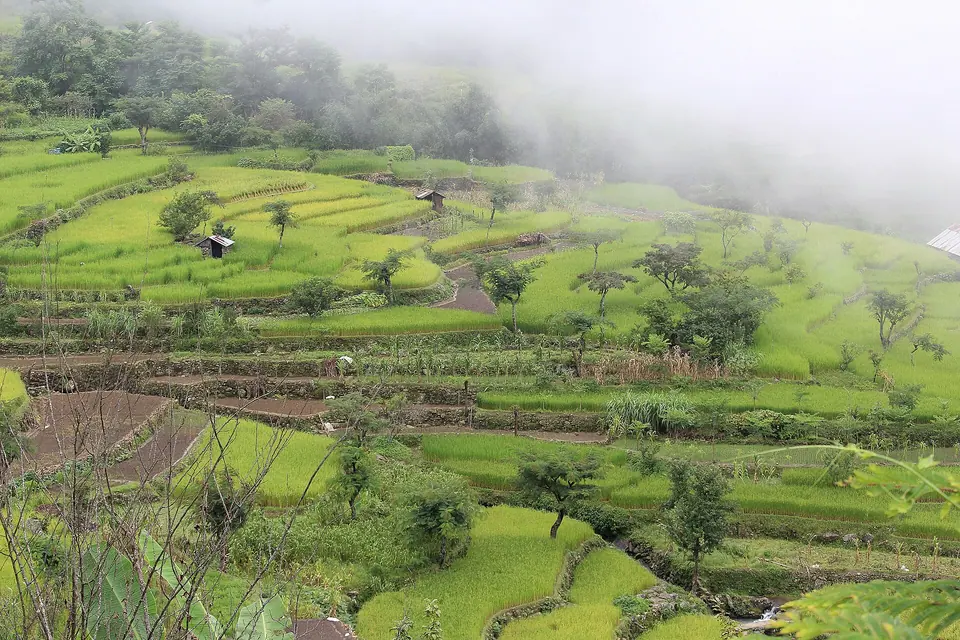
- Khonoma. An Angami village about 20 km from Kohima, known for its terraced fields and community conservation. Half a day with a local guide is ideal.
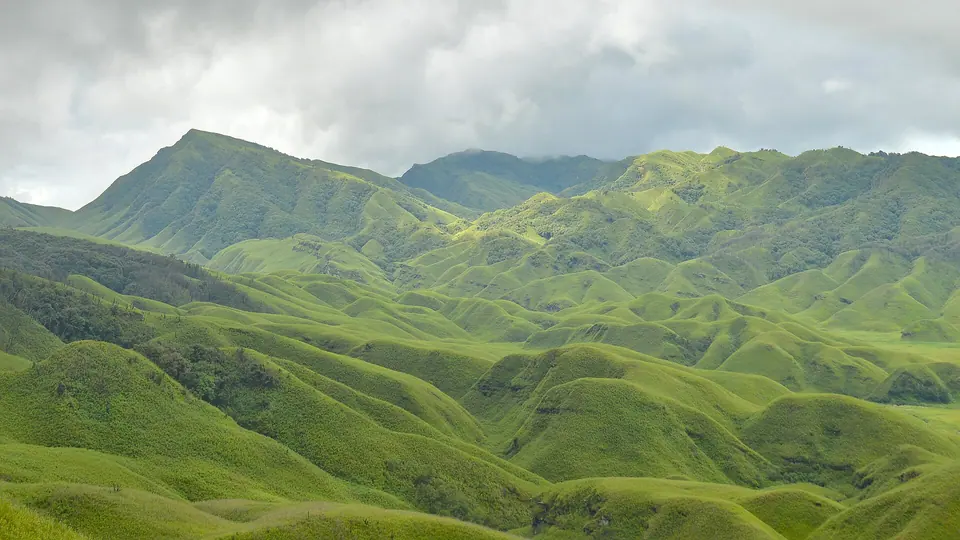
- Dzukou Valley. A high valley on the Nagaland–Manipur border, reached by a steep trek. December is cold and dry, with frost on clear nights; go with a guide and warm sleeping gear.
- Kohima town. The main market and the cathedral are easy to visit on the way back from Kisama.
What to pack for December in Nagaland
The days are pleasant and the nights are properly cold. Our list:
- Warm down or fleece jacket, thermal inner layer, cap and gloves
- Comfortable walking shoes; Kisama is hilly and paths get dusty
- Sunglasses and sunscreen for bright afternoons
- Cash in small notes for tickets, food and crafts
- Printed ILP or PAP and original ID
- Power bank; mobile networks slow down with the crowds
For the full list, see our Northeast packing guide.
How we'd plan it
For most travellers, five nights is the right length. We plan it so you see the opening day or the first weekend at Kisama, then spend the quieter mid-festival days in the villages.
| Day | Plan |
|---|---|
| 1 | Arrive Dimapur, drive to Kohima; evening in town |
| 2 | Full day at Kisama; evening concert or market |
| 3 | Khonoma village walk with a local guide; night in a Khonoma homestay |
| 4 | Back to Kohima; War Cemetery in the morning, Kisama in the afternoon |
| 5 | Free day for Kisama or a short Dzukou walk |
| 6 | Drive to Dimapur for your flight or train |
Our Hornbill Festival trip follows this shape, with four nights in Kohima and one in a Khonoma homestay, from ₹34,500 per person on twin sharing. If you want the villages without the crowds, our Kohima and Khonoma trip runs outside festival season too, from ₹21,500 per person. Trekkers can pair Hornbill with the Dzukou Valley trek, which spends two nights at the Dzukou rest house, and travellers with nearly three weeks can include Nagaland in the Seven Sisters Grand Tour. For what else is on across the region in winter, see Northeast India in December and our festival calendar.
Rooms for 1–10 December go early. Send us your dates and we'll hold them: contact the travel desk.