
Dibrugarh is Upper Assam's largest town, on the south bank of the Brahmaputra, and the heart of Assam tea country. Fly in rather than drive 440 km from Guwahati. Stay in a heritage chang bungalow on a tea estate, cross the 4.94 km Bogibeel bridge and use it as a base for Dibru-Saikhowa and Arunachal.
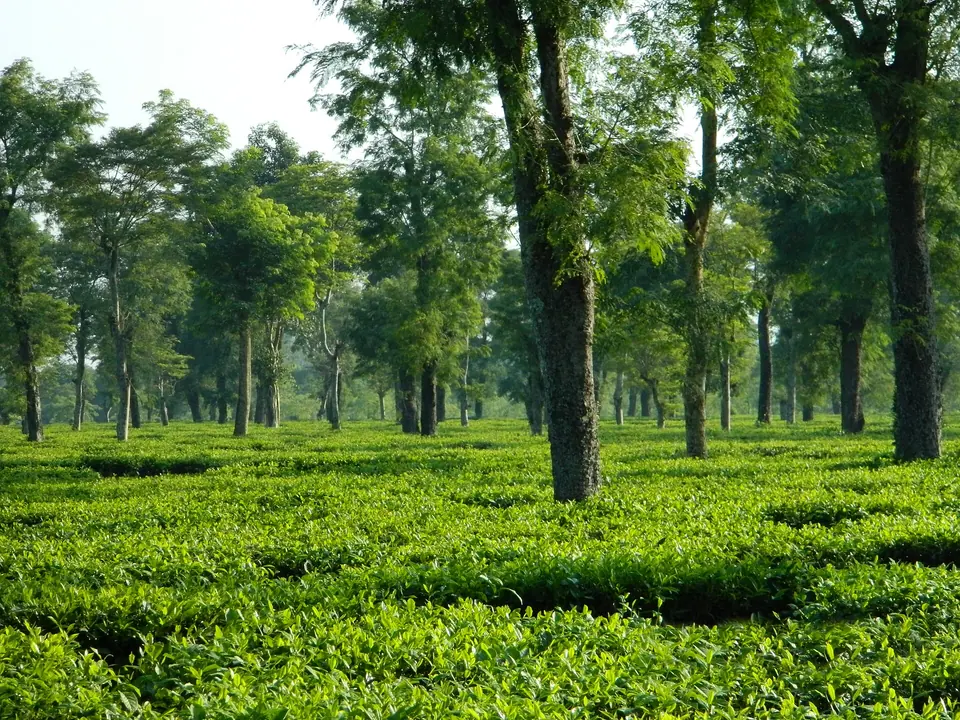
Dibrugarh calls itself the tea city of India, and a drive out of town in any direction shows why: estate after estate of flat-topped tea bushes under tall shade trees. Many visitors come for the heritage tea bungalows, the planters' homes built on stilts, known as chang bungalows, that now take guests.
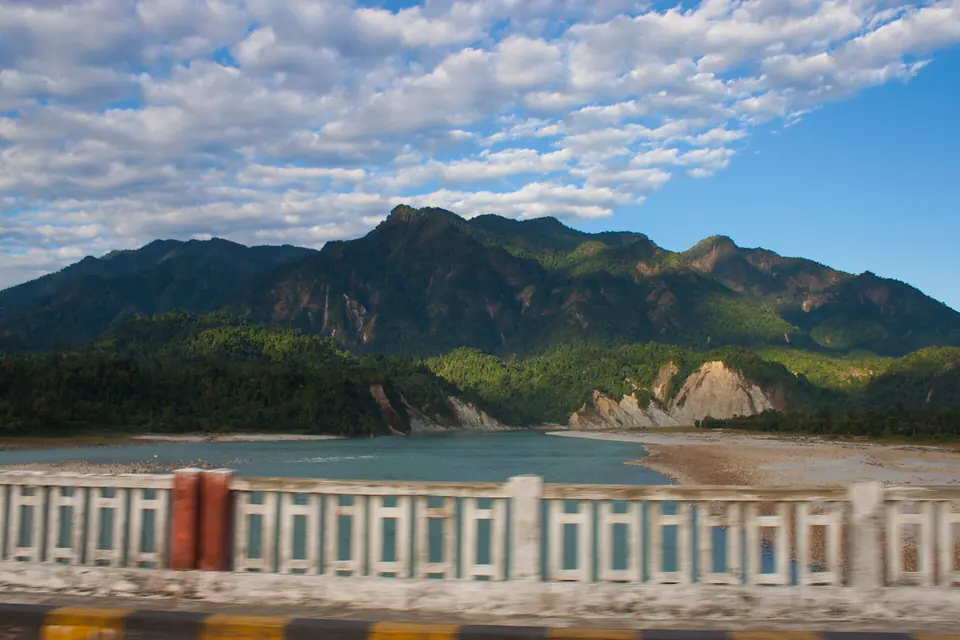
The town sits on the south bank of the Brahmaputra and has lost parts of its old riverside to floods and erosion over the last century. The riverfront embankment is a good place for an evening walk. About 17 km east of town, the Bogibeel bridge, opened in December 2018, carries road and rail 4.94 km across the river to Dhemaji, cutting hours off the journey to Arunachal's Pasighat and the Siang valley.
We use Dibrugarh as a hub rather than a destination in itself. Dibru-Saikhowa National Park is about 60 km east, Digboi's old oil refinery and the Dehing Patkai rainforest are within reach, and Sivasagar's Ahom monuments are about 80 km south-west. The airport at Mohanbari has direct flights from Delhi, Kolkata and other cities, which makes it a far better entry point to Upper Assam than a long road trip from Guwahati.
What makes it worth the trip
Heritage chang bungalows
Planters' bungalows on timber stilts inside working estates, such as Mancotta Heritage Chang Bungalow and Chowkidinghee Heritage Tea Bungalow. Stays often include a garden walk and a tea tasting.
Tea estate and factory visits
Walk the bushes with a garden guide and see withering, rolling and drying in the factory during the plucking season, roughly March to November.
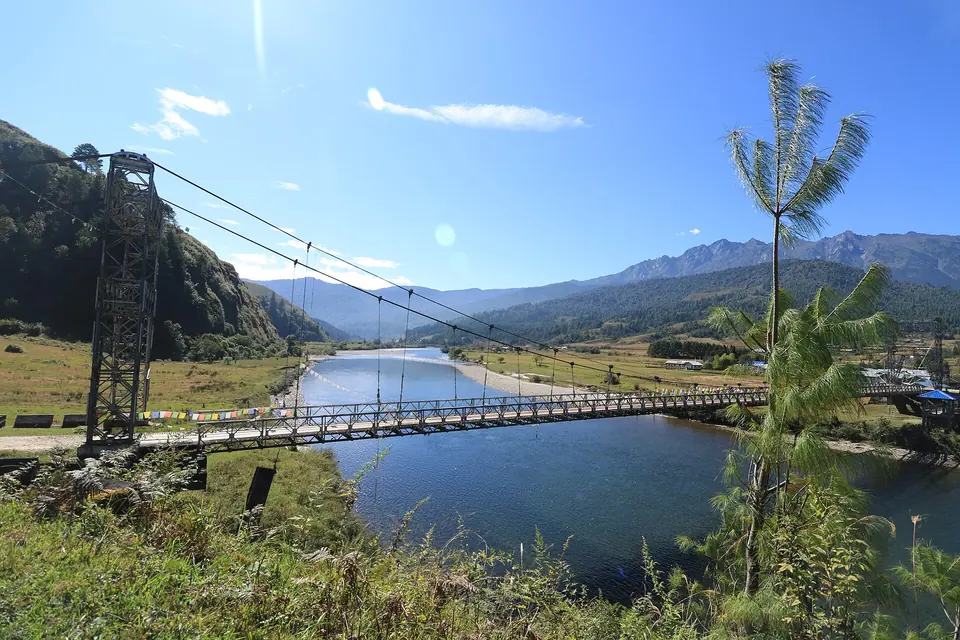
Bogibeel bridge
A 4.94 km double-deck road and rail bridge across the Brahmaputra, opened in 2018. Drive across for the river views on the way to Dhemaji or Pasighat.
Brahmaputra riverfront
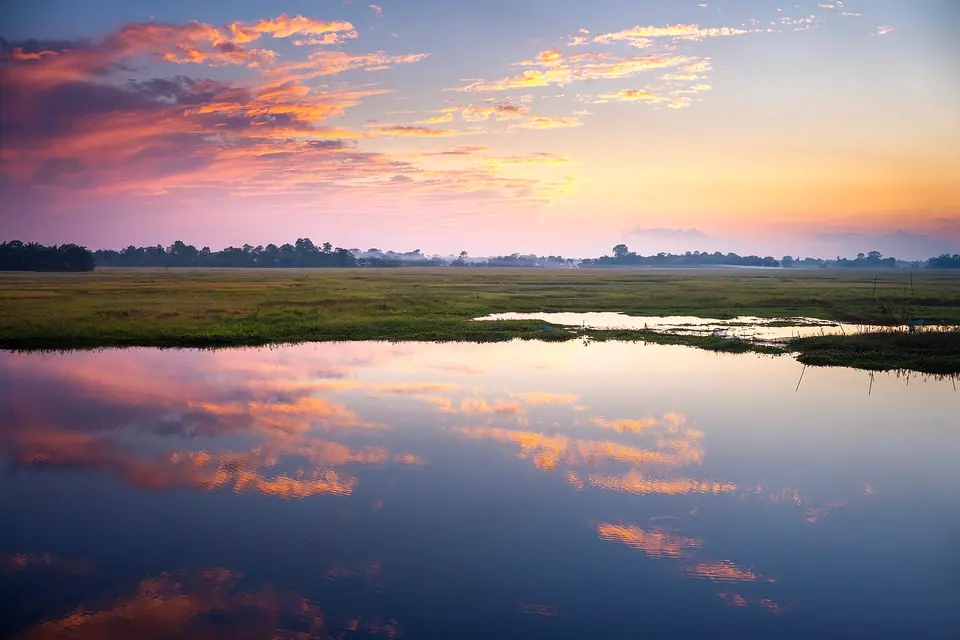
The embankment along the river near the town centre is a local evening walk, with wide views of sandbanks and boats.
Dibru-Saikhowa day trip
Boat safaris from Guijan Ghat near Tinsukia, about 60 km east, for river dolphins, feral horses and winter birds.
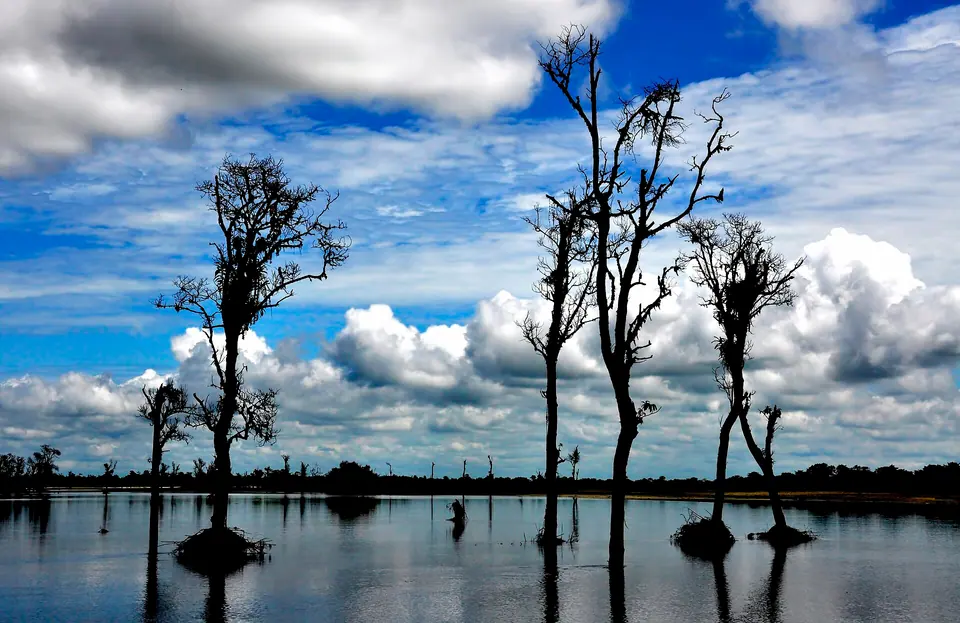
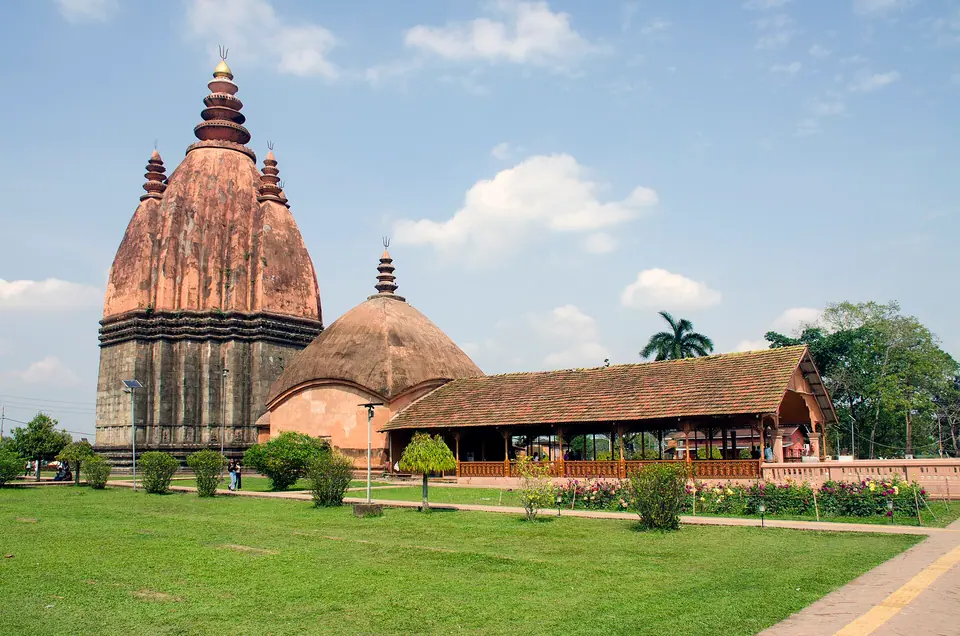
 Deepjyoti Borah · Commons · CC BY-SA 4.0
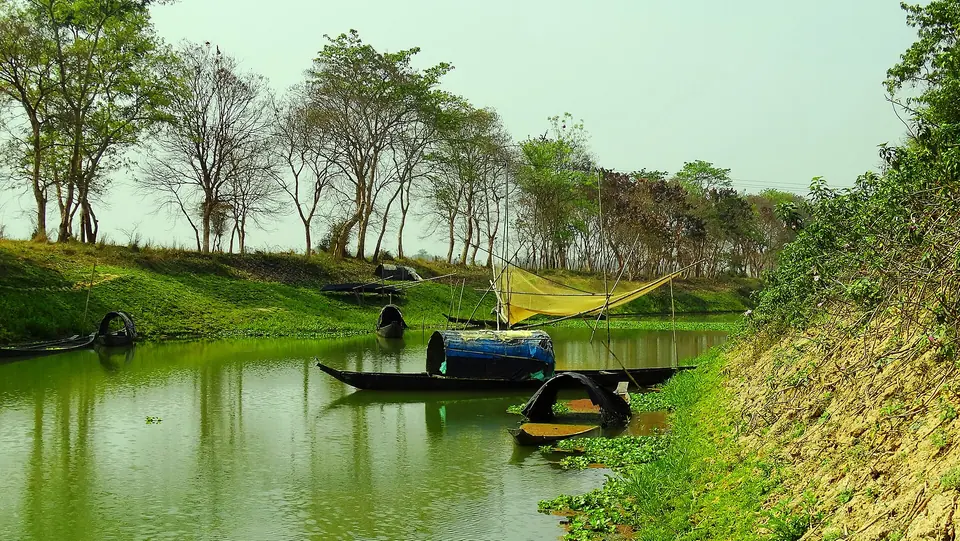
 Nborkakoty · Commons · CC BY-SA 3.0
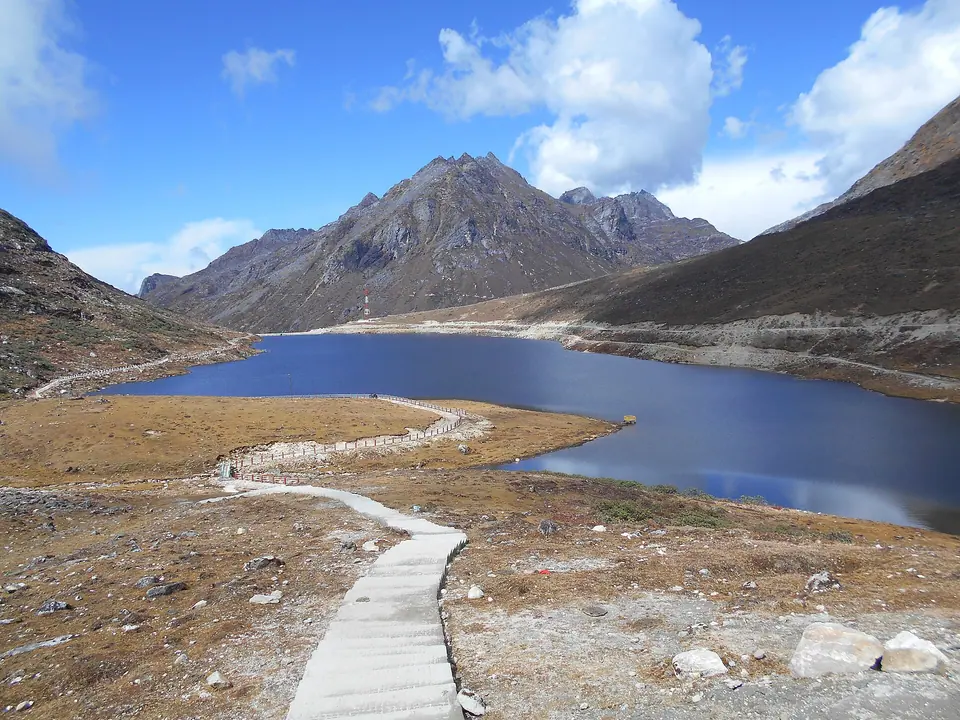
 Mrdebasishroy · Commons · CC BY-SA 4.0
Things to do
- Stay two nights in a heritage chang bungalow on a tea estate
- Walk a tea garden at plucking time and visit a working factory
- Buy tea from estate outlets and town shops, and try a proper tasting
- Drive across the Bogibeel bridge and back for the Brahmaputra views
- Take a boat safari in Dibru-Saikhowa National Park from Guijan Ghat
- Visit the Digboi oil museum and centenary refinery area, about 80 km east
- See the Tai Phake village and monastery at Namphake, near Naharkatia
- Walk the Brahmaputra embankment at sunset
Getting there
Dibrugarh airport at Mohanbari is about 15 km from town, with direct flights from Delhi, Kolkata, Guwahati and a few other cities. By rail, Dibrugarh station is the terminus for trains from Guwahati, Delhi and the long-distance Vivek Express from Kanyakumari; the train from Guwahati takes about 10 to 11 hours overnight. By road Dibrugarh is about 440 km from Guwahati, a 9 to 10 hour drive via Jorhat and Sivasagar. Across the Bogibeel bridge, roads continue north to Pasighat in Arunachal, for which you need an ILP.
Where to stay
The reason to stay here is the tea bungalows. Mancotta Heritage Chang Bungalow sits inside Mancotta Tea Estate, a few kilometres from town, and Chowkidinghee Heritage Tea Bungalow is closer to the centre. Both are raised on stilts, with wooden floors and verandas, and usually include meals. Rooms are few, so book early for November to March. Town hotels near the station and along the main roads suit a single night before a train or flight. For Dibru-Saikhowa, some travellers move on to eco-camps and homestays near Guijan.
Local tips
- Fly into Dibrugarh rather than driving from Guwahati; the road takes most of a day
- Book tea bungalows well in advance and ask if factory visits are possible during your dates
- Tea factories are quiet from December to February; plucking resumes around March
- Carry your Arunachal ILP if you plan to cross Bogibeel and continue to Pasighat or Roing
- Insect repellent and long sleeves help in the evenings on tea estates
- Keep an extra day in the monsoon; rain and floods can disrupt roads in Upper Assam
Rain and weather
Source: IMD 1991–2020 normals (Tezpur)
October to April for dry days and tea-bungalow stays; March to May and autumn are the busiest tea seasons.