
Permits & roads checked Shillong · Guwahati
Shillong Trip logo
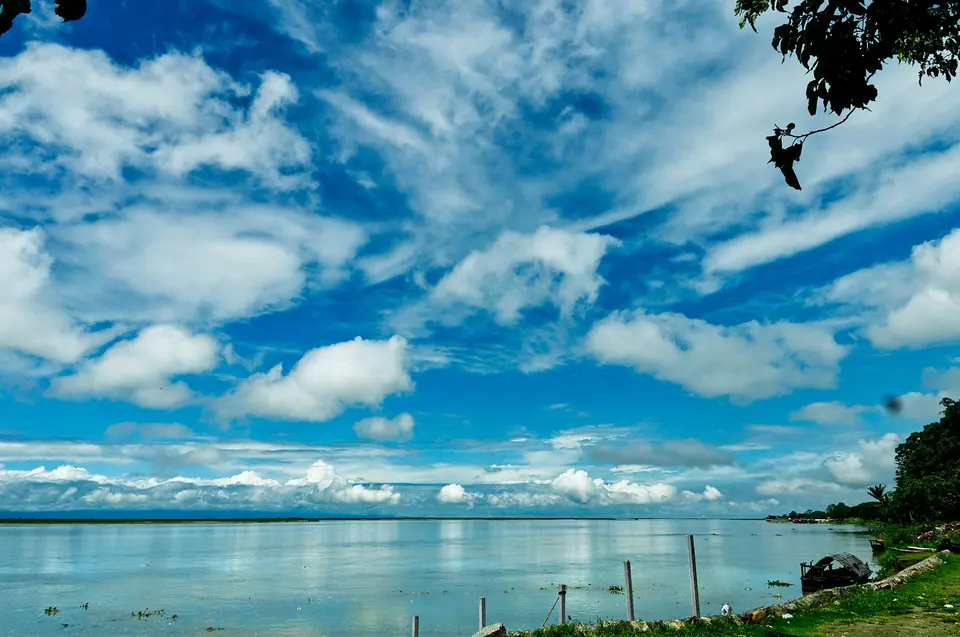
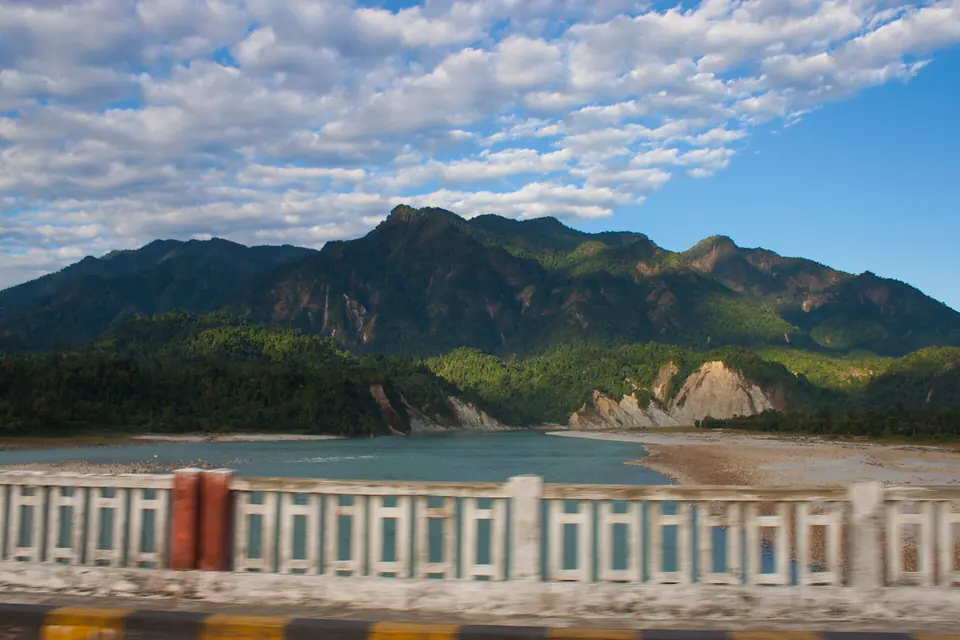
The Siang (Brahmaputra) river leaving the forested hills for the plains near Pasighat, East SiangAnu007bora · Commons · CC BY-SA 4.0
ArunachalEast Siang

Pasighat

Arunachal's oldest town (1911), where the Siang leaves the hills

Altitude
155 m
Best time
Oct–Mar
From Dibrugarh
150 km · 4.5 hrs
Permit
Needed
Stay
1 to 2 nights, or 1 night on the way to Aalo and Mechuka
Pasighat in brief

Pasighat, founded in 1911, is the oldest town in Arunachal Pradesh and the headquarters of East Siang, at about 155 m where the Siang river leaves the hills. It is about 150 km and 4 to 4.5 hours from Dibrugarh via the Bogibeel Bridge. Indians need an eILP, foreigners a PAP. It is the gateway to Aalo and Mechuka.

Pasighat sits exactly where the Siang, the river that begins as the Yarlung Tsangpo in Tibet, comes out of the mountains and spreads into braided channels across the plain. Founded by the British in 1911 as the headquarters of the Abor Hills, it is the oldest town in Arunachal, and it remains the centre of Adi life and culture.

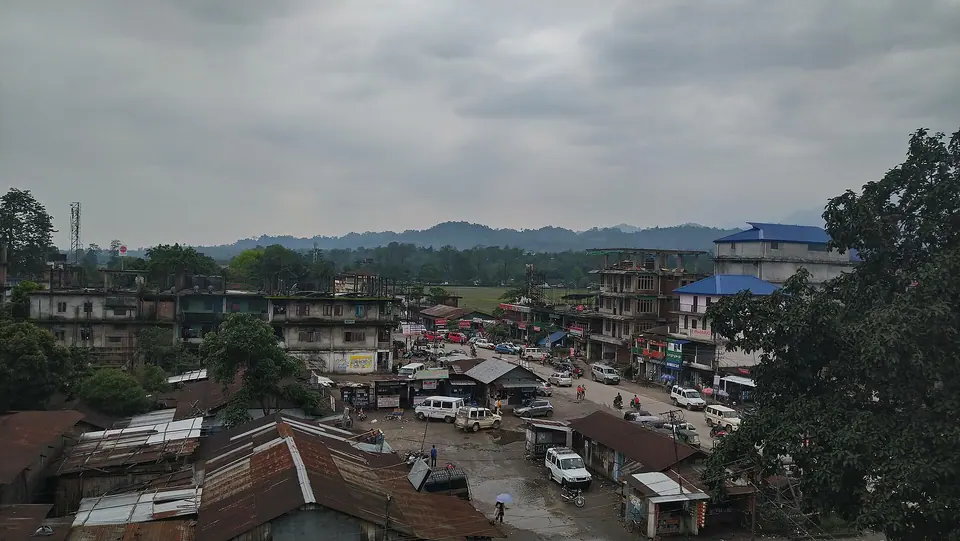
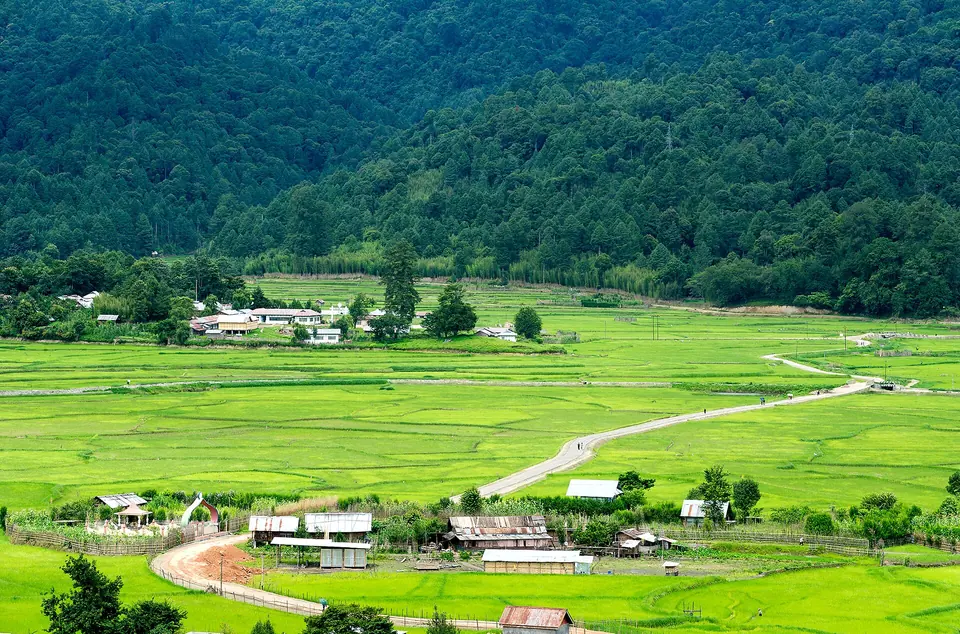
The town itself is flat, green and easygoing, with a big market, colleges and government offices. Around it are Adi villages with bamboo longhouses and rice fields, the Daying Ering Wildlife Sanctuary on river islands downstream, and the long Siang bridge with views up the valley.

We use Pasighat as a comfortable first night on the way to Aalo and Mechuka, but it rewards a full day on its own, especially in early September during Solung, the Adi agricultural festival.

What makes it worth the trip

The Siang river

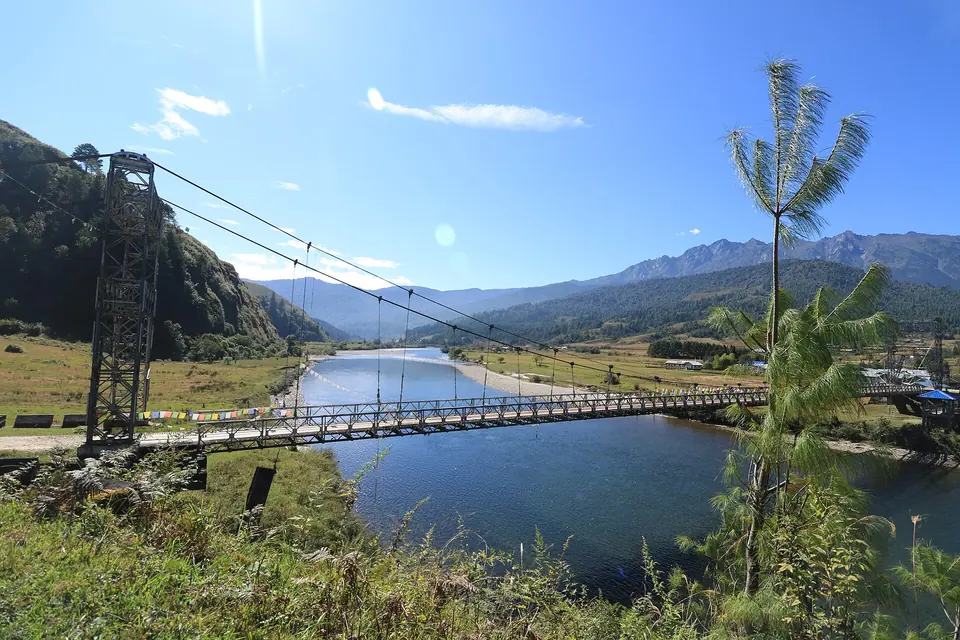
Watching the river leave the gorge at Pasighat, with sandbanks and boats below the bridge.

Daying Ering Wildlife Sanctuary

About 190 sq km of grassland and river islands downstream, good for winter birds, reached by boat.

Adi villages

Bamboo stilt houses, granaries and rice fields in villages around the town.

Solung festival

The main Adi festival, held in early September, with ponung dances and community feasts.

Komsing and Kekar Monying

Sites along the Siang linked to the 1911 killing of Noel Williamson and the Anglo-Abor war that followed.
Things to do

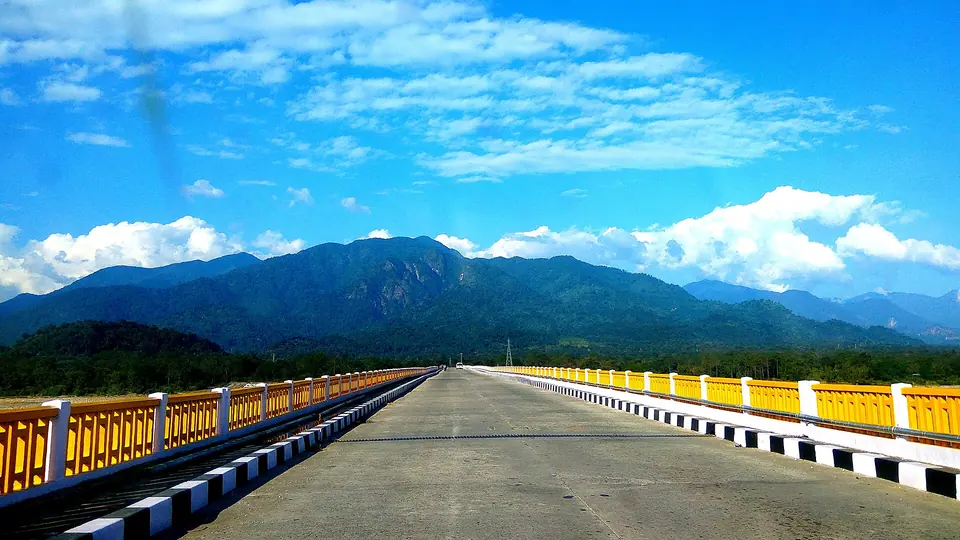
  1. Walk or drive onto the Siang bridge for the view up the valley
  2. Take a boat trip to Daying Ering Wildlife Sanctuary for winter migratory birds
  3. Visit an Adi village with a local guide
  4. Time a visit for Solung in early September or Aran in March
  5. Try Adi food: apong rice beer, smoked fish and bamboo shoot dishes
  6. Arrange a day of river rafting on the lower Siang with a licensed operator in season
  7. Continue to Aalo, about 100 km upriver, on the way to Mechuka

Getting there

From Dibrugarh, cross the Bogibeel Bridge over the Brahmaputra and drive via Silapathar to Pasighat, about 150 km and 4 to 4.5 hours; the eILP is checked at the Arunachal border gate. Dibrugarh has the nearest major airport and railway station. Pasighat Airport has had limited regional flights, mostly to Guwahati and Itanagar, and schedules change often. Shared Sumos and state buses run from Dibrugarh, North Lakhimpur and Itanagar. Onward, Aalo is about 100 km and Mechuka about 290 km. Check current status before you travel.

Where to stay

Pasighat has a mix of mid-range hotels, government guesthouses and homestays in and around town. Hotels near the main market and the bus stand are convenient for early starts to Aalo; homestays in Adi villages on the edge of town give a better feel for local life and food. Rooms are simple and fans matter more than heaters for most of the year. For Solung in early September, book well ahead, as visiting families and officials fill the rooms.

Local tips

  • Summers are hot and humid; October to March is far more comfortable
  • Carry cash from Dibrugarh or withdraw in Pasighat before heading to Aalo and Mechuka
  • Jio, Airtel and BSNL all work in town
  • The Siang is powerful and cold; swim only where locals say it is safe
  • Rafting is seasonal and needs licensed operators; check current status before you travel
  • Ask before photographing people and houses in villages

Rain and weather

Rain meter: ZiroAbout 1,750 mm a year · approximate monthly averages
89J0–13°
106F2–13°
79M5–17°
169A8–19°
200M12–21°
293J15–23°
249J16–25°
232A15–25°
200S14–24°
64O10–23°
51N4–18°
14D0–16°

Source: IMD normals

October to March for dry weather and river trips; early September for the Solung festival if you can handle the heat.
Go with a plan

Packages that include Pasighat

ArunachalAssam

Mechuka

  1. Dibrugarh
  2. Pasighat
  3. Mechuka

From ₹31,500/person

Good to know

Pasighat: questions travellers ask

01Do I need a permit to visit Pasighat?

Yes. Indian citizens need the Arunachal Pradesh tourist eILP, costing about Rs 300 to 500 per person and checked at the border gate on the road from Assam. If you are continuing to Aalo and Mechuka, make sure the permit dates cover the whole trip. Check current status before you travel.

02Can foreigners visit Pasighat?

Yes. Foreign nationals need a Protected Area Permit, arranged through a registered Indian tour operator, usually for groups of two or more. Pasighat is commonly included in eastern Arunachal itineraries with Aalo, Mechuka and Ziro. Confirm the latest PAP rules and fees with your operator before booking.

03How do I reach Pasighat from Dibrugarh?

Drive about 150 km across the Bogibeel Bridge and through Silapathar, which takes 4 to 4.5 hours with a tea stop. Shared Sumos and buses also run. Pasighat Airport has had limited flights to Guwahati and Itanagar, but schedules change frequently, so check current status before you travel.

04Why is Pasighat called the oldest town in Arunachal Pradesh?

Pasighat was founded in 1911 by the British as the headquarters of the Abor Hills district, the first administrative centre in what is now Arunachal Pradesh. It is now the headquarters of East Siang district and the cultural centre of the Adi people.

05What is the best time to visit Pasighat?

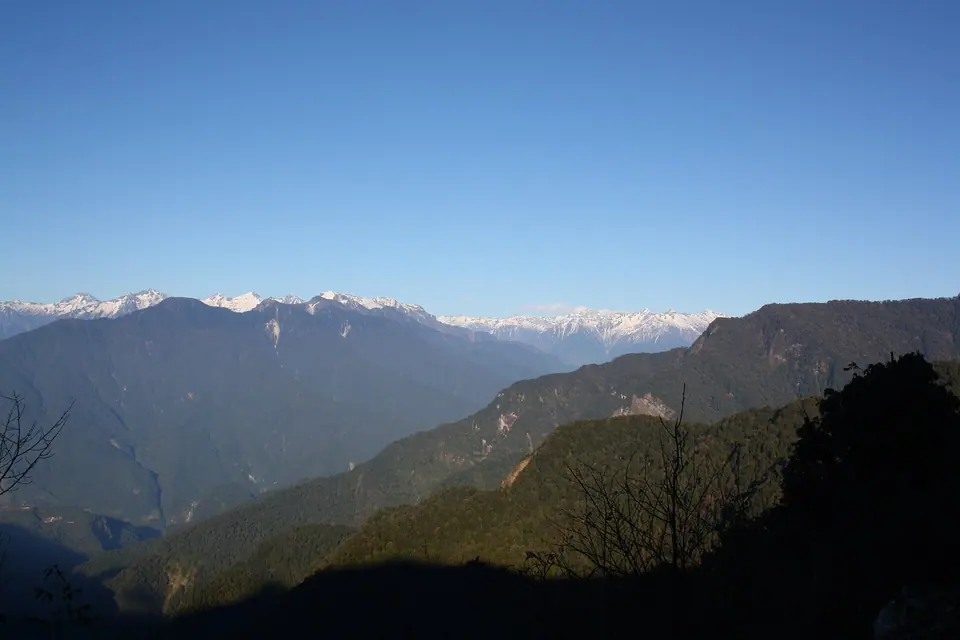
October to March is best, with dry weather, clear views of the Siang valley and migratory birds at Daying Ering. Early September brings the Solung festival but also heat and humidity. The monsoon from June to August raises the river and can disrupt roads.

06When is the Solung festival in Pasighat?

Solung, the main agricultural festival of the Adi people, is usually celebrated in early September over several days, with ponung dances, rituals and feasts. The Aran festival follows in March. Exact dates and village events vary, so ask locally or check current status before you travel.

07Are there ATMs and mobile network in Pasighat?

Yes. Pasighat has several ATMs and bank branches, and Jio, Airtel and BSNL all give reasonable coverage. It is a good place to withdraw cash before heading to Aalo and Mechuka, where ATMs are fewer and less reliable.

08Is altitude sickness a concern in Pasighat?

No. Pasighat is only about 155 m above sea level, on the edge of the Brahmaputra plain. Altitude only becomes a factor further north around Mechuka, at roughly 1,900 m and above, and even there it rarely causes problems for healthy travellers.

09Is Pasighat good for families and senior citizens?

Yes. It is flat, has hospitals and pharmacies, and the main sights are short drives. Summer heat is the main issue, so plan for October to March. It also works well as a restful first night before the long drive to Mechuka.

Still wondering? Ask a trip planner

Guides

Read before you go

Free trip plan

Tell us your dates, we’ll plan the route

Share when you’re travelling and who’s coming. A planner replies with a day-by-day route, hotel options and a clear price, usually within a working day.

The Siang (Brahmaputra) river leaving the forested hills for the plains near Pasighat, East Siang
Chat with us

Try “Dawki”, “Kaziranga safari” or “ILP”